
Key Takeaways
- Myopia, or nearsightedness, makes faraway objects look blurry and often grows worse as kids get older.
- Squinting, headaches, and trouble seeing the board can signal a vision change.
- Myopia management can slow how fast the eye grows, which helps lower future eye health risks.
- Management options can include special contact lenses, low-dose atropine drops, and screen-friendly lenses.
- Outdoor play, screen breaks, and yearly eye exams support your child’s vision.
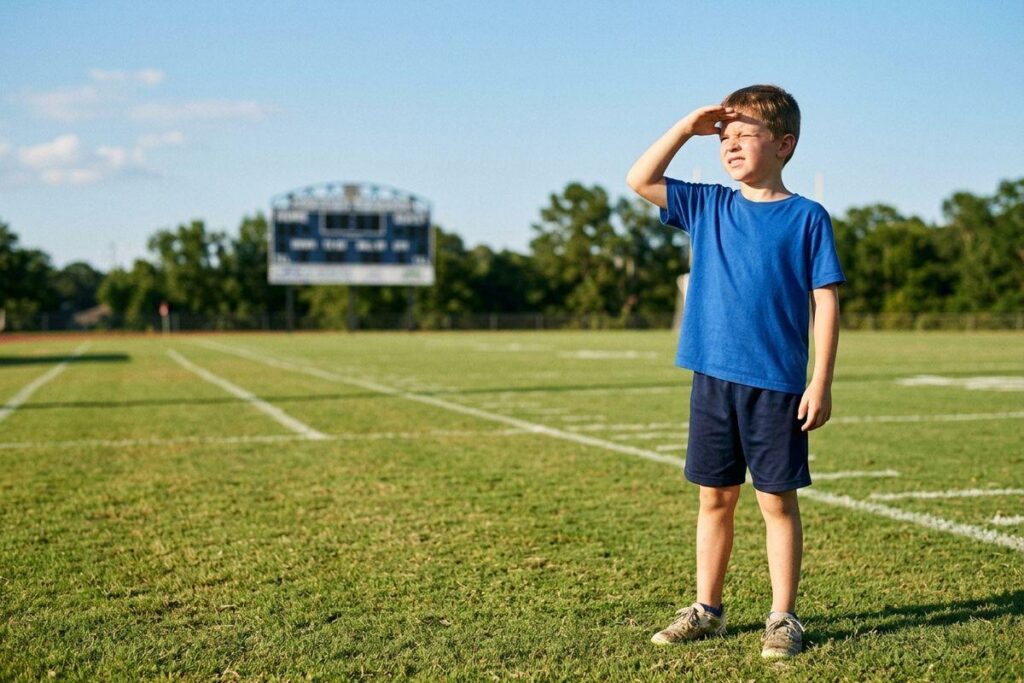
Your child sees the tablet in their lap just fine, but the soccer scoreboard across the field looks fuzzy. Our team at Eastern Shore Eye Care sees this pattern often, and it typically points to myopia, or nearsightedness. Close-up things stay clear while faraway things blur because the eye grows a little too long from front to back, causing light to land just short of the spot that keeps images sharp.
More kids deal with myopia today than in past years, and it often shows up during school-age years. Fortunately, myopia management uses proven tools to slow how quickly your child’s eyes change, protecting their sight now and for years down the road.
Signs to Watch for Before School Starts
Kids don’t always say their vision looks blurry. They may think fuzzy is normal. As the new school year gets closer, watch how your child looks at the world around them.
A few common signs can point to myopia, including:
- Squinting at the TV or sitting very close to screens.
- Headaches, eye strain, or tired eyes after homework.
- Trouble reading the classroom board from the back row.
If any of these sound familiar, an eye exam can give you clear answers before the first bell rings.
Why Myopia Management Matters
Beyond Regular Glasses
Standard glasses and contacts sharpen blurry vision, and that helps your child see the board today. However, they don’t slow the eye’s growth.
That’s why a prescription can climb higher year after year. Myopia management takes a different path by working to slow that change over time.
Long-Term Eye Health
Slower progression does more than keep the prescription steadier. A shorter eye length can lower the risk of retinal detachment later in life.
It can also help reduce the chance of cataracts and glaucoma as your child grows into adulthood. Small steps now support healthier eyes for decades.
Myopia Management Options
Special Contact Lenses
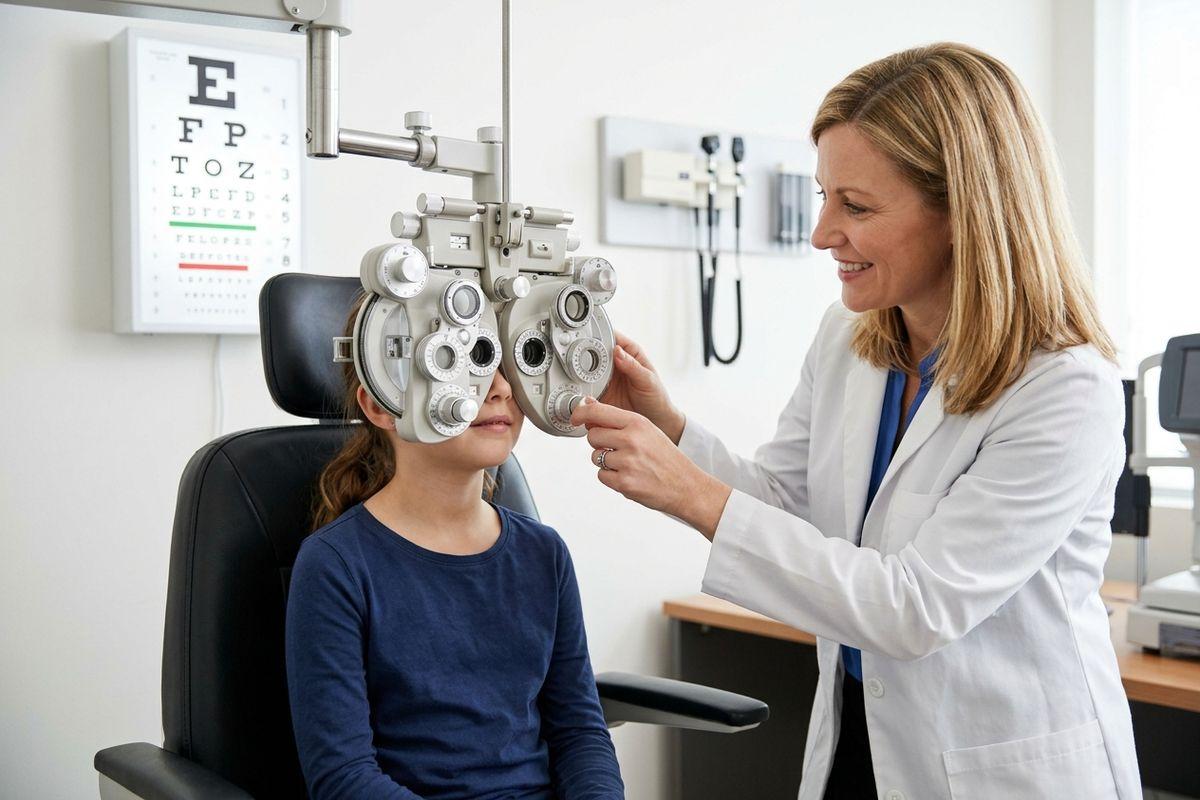
An eye doctor in Fairhope can fit contact lenses made for growing eyes. Multifocal lenses bring both near and far into focus while gently signaling the eye to slow its growth.
Another choice is overnight lenses called orthokeratology, or ortho-k. Your child wears them while they sleep, and the lenses gently reshape the front of the eye. Many kids then see clearly all day without glasses.
Eye Drops
Low-dose atropine drops offer a simple routine. A single drop at bedtime can help slow how fast myopia moves along.
Our team can help you match the right tool to your child’s age, habits, and daily life.
Simple Steps to Protect Your Child’s Vision
Everyday Lifestyle Tips
Time outside does more than burn off energy. Around 90 minutes of outdoor play each day gives the eyes natural light and plenty of distance to focus on, which can help slow myopia.
Indoors, build in screen breaks. Have your child look at something far away every 20 minutes, and keep the room well lit to ease eye strain.
Yearly Eye Exams
A yearly eye exam catches small changes before they turn into big ones. Your eye doctor can measure how your child’s eyes are growing and spot shifts you might not notice at home.
Kids change fast, and their vision does too. Each visit allows our team to adjust the plan so it keeps up with your child.
Help Them Thrive
Back-to-school season is a good time to check in on your child’s sight. Our team at Eastern Shore Eye Care would be glad to talk through myopia management and find a plan that fits your family. Book an eye exam today and give your child a clear view of the year ahead.