
Key Takeaways
- Myopia makes faraway objects look blurry, and it often shows up during the school years.
- The goal of myopia control is to slow how fast it progresses, not to reverse it.
- Special glasses and low-dose atropine drops can help manage myopia in younger children.
- Soft contact lenses and ortho-k work well for active kids and older children.
- More time outdoors and balanced screen habits can support growing eyes.
Your child’s world changes fast, and their eyesight can change with it. When distant things look blurry, myopia might be the reason, and our team at Eastern Shore Eye Care can help you explore myopia management options that fit your family.
Children with myopia have several care options, including special glasses, low-dose atropine drops, soft contact lenses, and orthokeratology (ortho-k), plus more outdoor time to support treatment.
What Myopia Means for Your Child
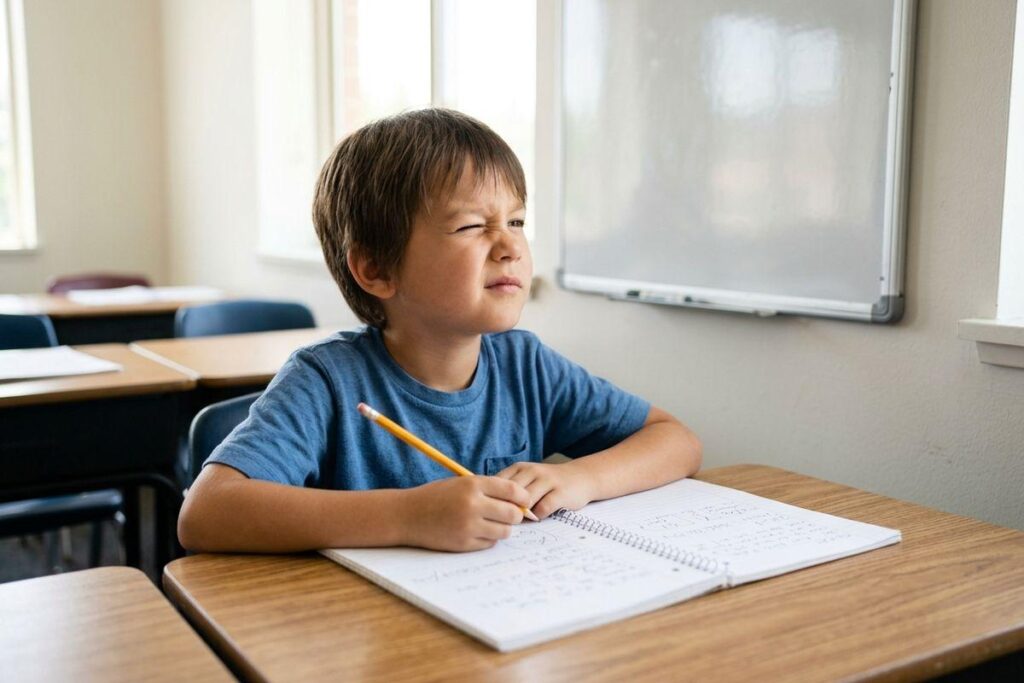
Maybe your child sits close to the television or squints at the board in class. These are common signs of myopia, also called nearsightedness. Close-up objects typically stay clear, but anything far away looks fuzzy.
Myopia often starts during the school years and can grow stronger as your child grows. When it climbs higher over time, it can raise the chance of eye health problems later in life. Catching it early gives your child a head start on care.
Why Myopia Control Matters
Myopia control focuses on slowing how quickly nearsightedness progresses. It doesn’t turn back what’s already there, but it can help keep the prescription from climbing as fast each year.
Slower progression means fewer big jumps in your child’s glasses prescription. It also means a lower chance of eye problems down the road. That’s a meaningful benefit for a child who has many years of vision ahead.
Glasses and Eye Drops for Myopia Control
Two common starting points work well for younger children, and both can fit easily into daily routines.
Special Glasses
These glasses look and feel like regular ones, so your child won’t feel out of place at school. Your child wears them full-time for clear vision throughout the day. For younger kids, they’re a simple choice that needs little extra effort.
Low-Dose Atropine Drops
Your child uses one drop at bedtime, which keeps the routine short and easy. These drops help slow progression, though your child still wears glasses for clear daytime vision.
Some children notice mild, temporary effects like light sensitivity. Your eye doctor in Fairhope can talk you through what to expect.
Contact Lens Options for Active Kids
Older children and kids who love sports may prefer contact lenses. Two options can correct vision while helping to slow myopia.
Specialty Soft Contact Lenses
Your child wears these during waking hours, then removes them at night. They stay put during soccer games and busy afternoons, so there are no frames to slip or fog up. They correct vision and help slow progression at the same time.
Orthokeratology (Ortho-K)
Ortho-k lenses work while your child sleeps. Your child wears them overnight and takes them out in the morning, then enjoys clear daytime vision without any lenses.
This option calls for regular follow-up visits so our team can check the fit and track progress. Many active kids like the freedom of lens-free days.
Which Option Is the Right One?
The right choice depends on your child’s age, comfort, and daily habits. A child who plays sports may lean toward contacts, while a younger child may do best with glasses. Our team can help you weigh the options and find a fit for your family.
You can support treatment at home, too. More outdoor time gives young eyes a break and can help slow myopia. Try to balance screen time and close-up work with regular breaks to look at something far away.
Small daily habits add up. A walk after school or a game in the yard can do more than you might think.
Come See Us
At Eastern Shore Eye Care, our team is ready to guide your child’s vision care with warmth and steady support. Schedule an eye exam today to talk about myopia control options that fit your child’s needs.