
Key Takeaways
- Glasses and contact lens prescriptions differ because each sits at a different distance from your eye.
- A contact lens prescription adds details like base curve, diameter, brand, and an expiration date.
- Your contact lens power may differ from your glasses power, especially with stronger prescriptions.
- A good contact lens fit supports comfort and clear vision.
- A contact lens exam with your eye doctor in Fairhope includes measurements, an eye health check, and trial lenses.
Contacts & Glasses Need Different Prescriptions
When you’re ready to try contacts, you might pull out your glasses prescription and expect the numbers to carry right over. It’s an easy assumption to make, since both devices help you see clearly.
However, a contact lens prescription isn’t the same as a glasses prescription. Contacts sit directly on your eye, so they need their own power and fit measurements. Our team at Eastern Shore Eye Care offers contact lens exams to help you find clear and comfortable lenses.
Why Glasses & Contacts Need Different Prescriptions
Your glasses sit about 12 millimeters in front of your eye. Contacts, on the other hand, rest directly on the surface of your eye. That difference matters more than you might expect.
Swapping one prescription for the other can actually affect both comfort and clear vision. Road signs might look a little soft at the edges, or your eyes may feel tired by the end of the workday. A prescription written for the lenses you’re wearing helps you avoid these surprises.
What Does a Prescription Look Like?
Glasses Prescription Basics
At first glance, your glasses prescription might look like a grid of letters and numbers. Here’s what the main parts mean:
- OD stands for your right eye, and OS stands for your left eye.
- Sphere (SPH) shows the power for nearsightedness or farsightedness.
- Cylinder (CYL) and Axis describe astigmatism.
- ADD shows extra power to help with reading.
It’s actually pretty straightforward once you get the hang of it.
Extra Details on a Contact Lens Prescription
Your contact lens prescription includes power details plus a few more items:
- Base curve (BC) matches the curve of your eye.
- Diameter (DIA) is the width of the lens, often 14 to 14.5 millimeters.
- The lens brand appears by name.
- An expiration date is listed, often 1 to 2 years from your exam.
These details help determine overall fit, clarity, and comfort of your lens.
Why Your Contact Lens Power May Differ
The power of a prescription changes depending on where the lens sits compared to your eyes. Glasses sit a little bit forward, while contacts sit directly on the eye, so this difference needs to be accounted for. For lower prescriptions, the effects are minor, but a stronger prescription might result in a big gap between your glasses and contact lens numbers.
Astigmatism numbers appear on your contact lens prescription only when you need them. If you have astigmatism, your eye doctor can include cylinder and axis details.
Why Contact Lens Fit Matters
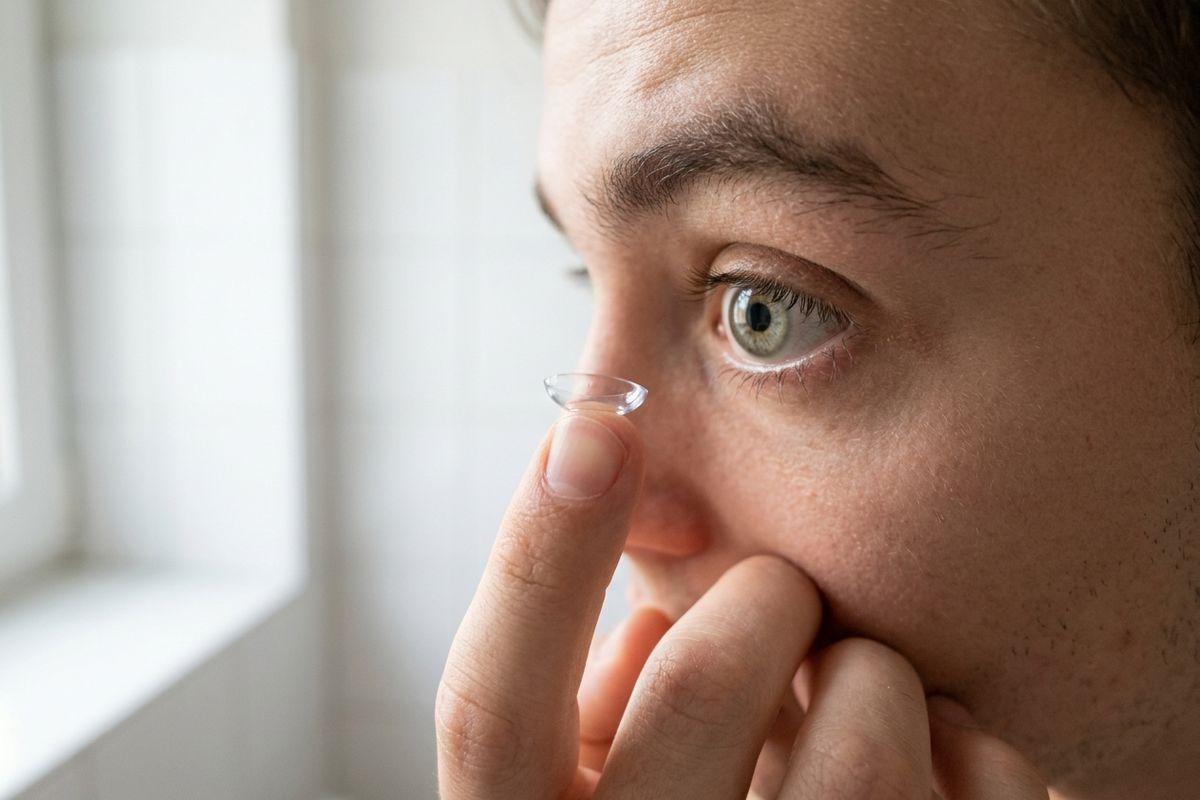
A good fit helps your contacts stay in place when you blink, read, or glance around the room. A poor fit, on the other hand, may feel uncomfortable to wear, or the lens may move around on your eye.
Fit affects your vision too. Even with the right power, a lens that shifts can make your view blur on and off throughout the day.
Contact Lens Options for Different Needs
Your eyes and your routine help guide which lens type suits you. Common options include:
- Soft lenses come in daily options that you toss each night, or in monthly options you clean and reuse.
- Toric lenses are designed for astigmatism.
- Multifocal lenses can help with near vision changes after age 40.
What to Expect at a Contact Lens Exam with Your Eye Doctor in Fairhope
A contact lens exam goes a step beyond a standard eye exam and gives your eye doctor the details they need to match lenses to your eyes and your daily life. This includes measuring the shape and curvature of your eye, the health of your tear film, and having you wear trial lenses to test comfort before you settle on a long-term prescription.
Keep Your Prescription Up to Date
Renew your contact lens prescription before its expiration date so you can keep ordering lenses without a gap in your supply.
If you’d like to try a different brand, talk with our team first. Your prescription lists a specific brand, so if you’re struggling with your current pair, we can help you find an alternative.
Eastern Shore Eye Care can help you find contacts that feel comfortable and support clear vision from morning to night. Book your next contact lens exam today with your eye doctor in Fairhope.