Key Takeaways
- Myopia control glasses correct blurry distance vision and can slow how fast nearsightedness progresses.
- The lenses shape how light reaches the retina, which sends a slow-down signal for eye growth.
- Studies in kids ages 6 to 13 show progression can slow by around 50%.
- An early start, often ages 6 to 8, tends to provide the most benefit.
- A children’s eye exam helps your eye doctor build a plan that fits your child.
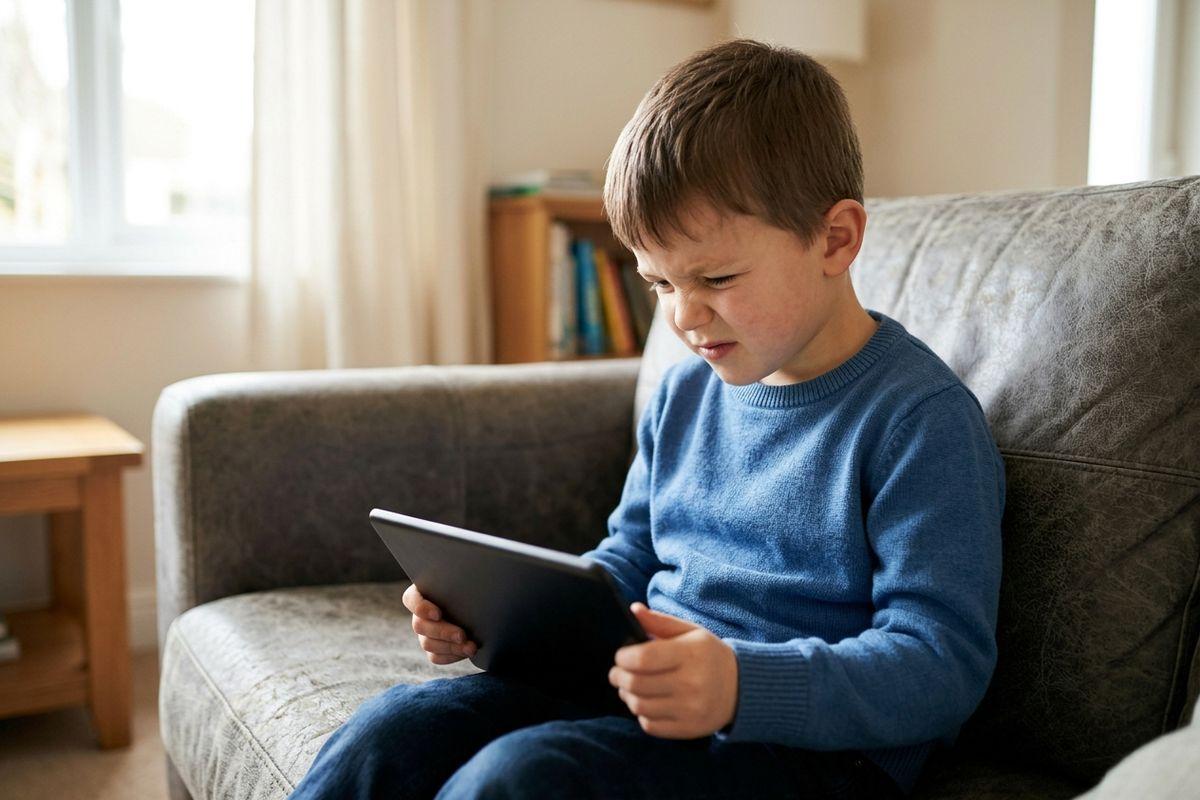
Your child squints at the classroom board, holds a tablet inches from their nose, or rubs their eyes after school. Those small habits often point to nearsightedness, also known as myopia, and it usually gets stronger year after year during childhood without proper intervention.
Yes, myopia control glasses can slow how quickly a child’s nearsightedness progresses while also sharpening their distance vision.
These glasses do two jobs at once. They correct blurry distance vision the way regular glasses do, and they also work to slow how fast the eye keeps growing. Regular single vision glasses only handle the blur. The goal here is to protect your child’s long-term eye health, not to cure their nearsightedness.
How These Glasses Work to Slow Myopia Progression
Myopia happens when the eye grows a little too long from front to back. That extra length makes faraway things look fuzzy.
Myopia control lenses shape how light lands on the retina, the light-sensing layer at the back of the eye. Instead of pushing the eye to keep stretching, the lens sends a gentle slow-down signal for eye growth. The center of the lens stays clear, so your child still sees the whiteboard, street signs, and the soccer ball across the field without a problem.
Types of Myopia Control Lenses
A few lens designs can slow myopia, and your eye doctor can walk you through which one suits your child.
Lenslet Designs
Some lenses use tiny structures spread across the surface. Essilor Stellest lenses use small raised rings, while Hoya MiYOSMART lenses use a honeycomb pattern. Both keep a clear zone in the middle for sharp distance vision, and the surrounding pattern does the slowing-down work.
Other Options
SightGlass lenses use contrast diffusion, which softens contrast across part of the lens to signal the eye to slow its growth. Bifocal lenses offer another route, with one zone for distance and another for close-up tasks like reading.
How Well They Work and Who They Help
Across research on children, these lenses have slowed myopia progression by around 50% compared with regular glasses. Most of that research focused on kids ages 6 to 13, the years when nearsightedness tends to move the fastest.
You might wonder whether your child is a fit. A few everyday signs can point you toward an eye exam:
- Squinting to read the board or watch TV
- Rubbing their eyes often
- Sitting close to screens or holding books very near
- Complaining that faraway things look blurry
When to Start Myopia Control
An early start often gives your child the most benefit. Many kids begin between ages 6 and 8, when a small prescription can still be caught before it climbs. Myopia usually levels off in early adulthood, so slowing it during the school years can leave your child with a lower prescription for life.
Next Steps with Your Eye Doctor in Fairhope
Getting started is simple. A children’s eye exam gives your eye doctor a clear picture of your child’s vision and how much it has shifted over time.
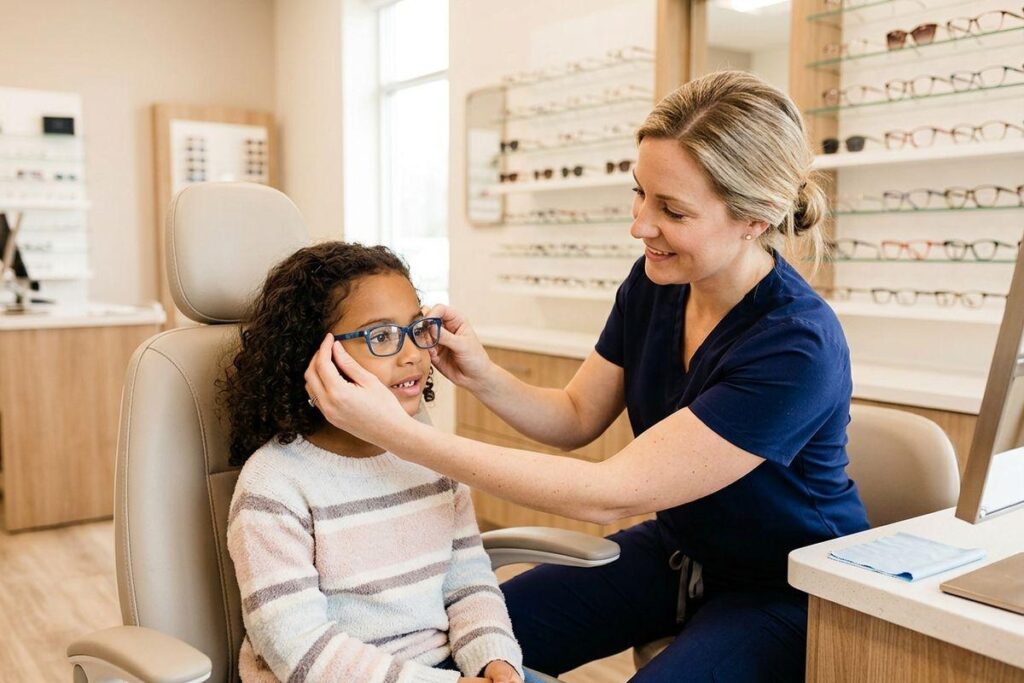
From there, our team can build a treatment plan around your child’s age, prescription, and daily habits. It is also important to pick frames your child likes and wants to wear, because glasses only help when they actually stay on your child’s face.
Our team at Eastern Shore Eye Care is ready to help your child see clearly and protect their vision for the years ahead. Book a children’s eye exam with your eye doctor in Fairhope today.